Vision
A society characterised by justice, freedom, and tolerance, where dialogue thrives and where science, art, and literature are revered, created, and hold global influence.
Mission
An independent Foundation dedicated to fostering a vibrant cultural and educational environment that promotes emancipatory thought, knowledge, and creativity.
Context and Strategic Approach
The A. M. Qattan Foundation operates in a context of constant flux shaped by occupation, war, genocide, and global uncertainty. Instead of adopting a
traditional, standardised strategic plan, the Foundation has developed a living, participatory strategy - a flexible, adaptive overarching framework grounded in continuous sense-making, experimentation, collective learning, and dialogue.
This framework results from retreats, working groups, and organisational reflection conducted since 2024, synthesising collective analysis and identifying shared direction for 2026–2030 while maintaining the flexibility required to respond to unpredictable and shifting realities.
Cross-cutting Value-Driven Commitments
The Foundation translates its organisational values into daily practice through four commitments that guide the implementation of all six strategic goals:
• Advancing Palestinian identity(s), imaginaries, and narrative(s) to foster creativity, steadfastness, and self-determination.
• Practising solidarity, mutual care, and shared responsibility within the organisation and through strategic partnerships and alliances.
• Opening up physical and digital spaces and programmes to expand diversity, inclusion, and community access.
• Staying flexible, responsive, and continuity-minded, especially in times of crisis, while maximising relevance, effectiveness, and efficiency.
Strategic Goals 2026–2030
Culture for Liberation:
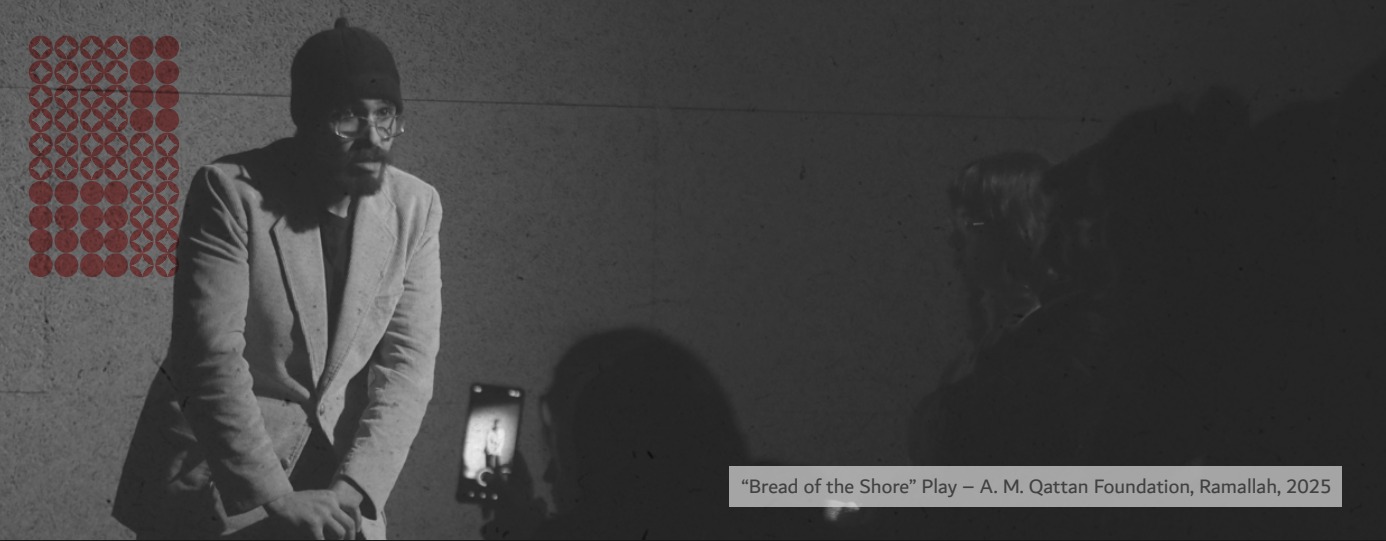
Supporting community-rooted cultural interventions and productions that advance Palestinian imaginations, narratives, and identities; enrich cultural diversity; preserve and recreate narratives; and broaden participation in cultural life, particularly among marginalised communities.
A Resilient, Decentralised, and Independent Cultural Ecosystem:
Encouraging the development of resilient, independent, locally anchored cultural groups, networks, and infrastructures; supporting alternative modes of organising; diversifying partnerships; and enabling shared, community-governed resources and structures.
Child-centred Community-based Education:
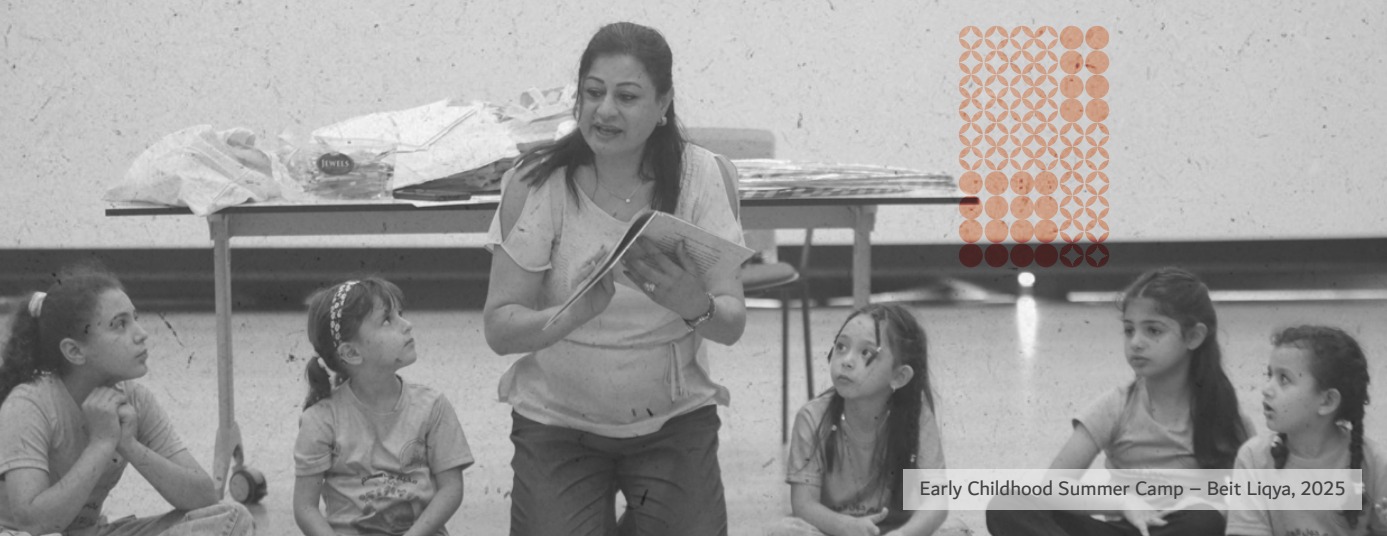
Initiating and supporting educational and cultural programmes that enable children (ages 4–18) to heal, thrive, and become active participants in their communities through community-based, critical, emancipatory learning approaches, with strengthened tools, spaces, and partnerships.
Frontline Educators:
Supporting educators — including teachers, counsellors, social workers, community animators, and others — to pursue community-based learning approaches that promote continuity, protection, inclusivity, adaptability, well-being, and collective resilience.
Organisational Culture and Governance:
Fostering an inclusive, value-driven organisational culture with agile structures; strengthening governance, compliance, and accountability systems; supporting staff development, well-being, and shared leadership; and establishing an organisational Measurement, Evaluation, and Learning (MEL) system.
Resources and Assets:
Ensuring sustainability through diversification of revenue streams, strategic resource management, strengthened digital infrastructure, enhanced data governance, and the protection of physical, cultural, and financial assets to safeguard institutional continuity and independence.